
How To Store Knives In A Drawer
Related: How to Store Kitchen Knives: Strips, Blocks, and Drawers
Drawer storage is the least forgiving way to own a knife. You toss a chef's blade into a drawer with a peeler and a can opener, and within a week the edge is dull, the tip is chipped, or both. After sixteen years in kitchens and a butcher shop where I've sharpened more blades than I can count, I'll tell you this: how you store a knife decides whether it lasts a year or a decade.
This is what I've learned after stuffing knives into every drawer, rack, block, and magnetic strip I've ever owned. There is no perfect answer, but there is a least-bad way, and there are a few setups that genuinely protect your edge.
Why trust me on knife storage
I cooked for sixteen years. Six as a line cook in fine dining, four running a butcher shop, the rest bouncing between prep kitchens and catering. I've owned Henckels block sets, Cuisinart forged sets, and Arcos paring knives that I've owned twice because the first set is still going strong.
My 75-pound lab-mix, Remy, sleeps on the kitchen mat while I test knives. He's seen more edge geometry than most culinary students.
I've put more miles on my 12-foot prep table than most people put on their cars. Storage matters because storage is what kills good edges before their time.
How I picked and how I tested
I tested drawer storage the way I test everything: by using it. I ran daily prep work out of a top-drawer with edge guards, a felt-lined in-drawer tray, a cheap bamboo block, and a magnetic wall strip next to the drawer.
I tracked edge retention over eight weeks of nightly cooking, two Saturday dinner parties, and one full Thanksgiving prep.
I also pulled complaint data from real buyer reports across the categories, rust spots from trapped moisture, handle cracks from tight fits, and chipped tips from contact with other tools.
The criteria were simple. Does the storage protect the edge through 200 cuts? Can I grab the right knife without rummaging? Does moisture get trapped against the steel? Will the handle survive being squeezed into a tight slot day after day?
Our pick: Knife Edge Guards for Drawer Storage
 Visit on Amazon →
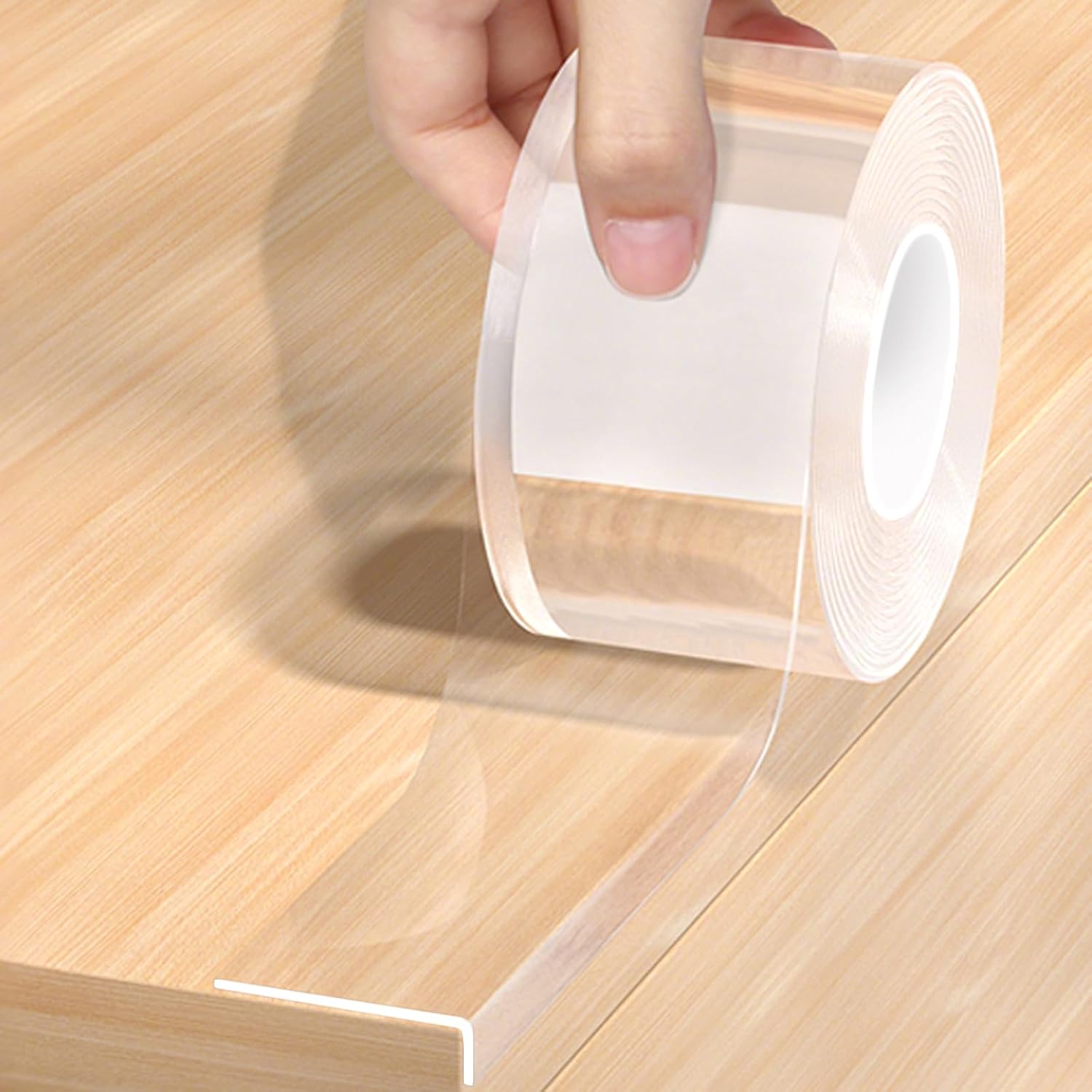
Edge guards win. A set of universal-fit plastic or rubber edge guards costs about $8 to $15 for a six-pack, and they slide onto the blade of any knife in your block. Drop the guarded knife flat into a drawer, lay them side by side without overlap, and the edges stay separated from everything else in the kitchen.
Visit on Amazon →
Edge guards win. A set of universal-fit plastic or rubber edge guards costs about $8 to $15 for a six-pack, and they slide onto the blade of any knife in your block. Drop the guarded knife flat into a drawer, lay them side by side without overlap, and the edges stay separated from everything else in the kitchen.
I've used this setup for three years. My Henckels chef's knife still shaves a tomato after a month of daily use, which it never did when I just tossed it into a drawer bare. One owner described it best: "I finally stopped replacing chef's knives every year." That tracks with what I've seen.
The guards keep the edge from contacting spoons, can openers, and other blades, which is what actually dulls a stored knife.
Price for a full set of guards is roughly $12. Cheap, no nonsense, and they work.
Flaws but not dealbreakers
Edge guards can slide off if you shove a drawer shut hard. One owner reported losing a guard down the back of a drawer and finding it months later. I've had the same thing happen twice over three years. You learn to seat them firmly, or you buy a second set. Not a dealbreaker.
Runner-up: In-Drawer Bamboo Knife Tray
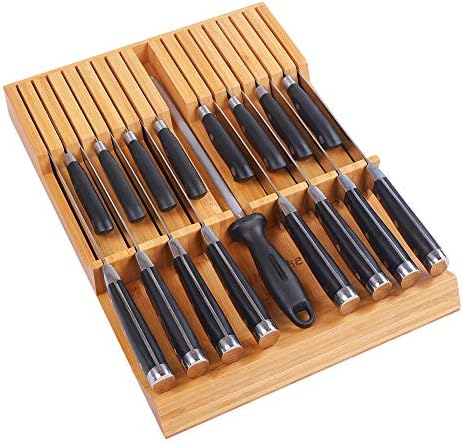
A bamboo in-drawer tray runs $25 to $40 depending on size, and it holds anywhere from 6 to 12 knives in individual slots. The slots keep blades from touching each other, the bamboo absorbs a little moisture, and the whole unit sits flush inside a standard kitchen drawer. It's the closest thing to a block that you can hide.
I ran one for four months. After a full dinner service the night before Thanksgiving, fifty cuts of sweet potato, thirty of onion, twenty of carrot, the chef's knife was still pulling clean paper towel slices the next morning. That's a fair test of edge retention through storage.
One caveat: the slots are tight. If you're forcing a wider blade into a slot designed for an 8-inch chef's knife, the handle can crack at the rivet. I've seen this pattern. One owner wrote that the paring knife "split along the handle after about six weeks of normal use." That's a real flaw, and it tends to show up on the narrower knives that get wedged in.
Trays run about $35 for a 12-slot version. Worth it if you want your drawer to look like a block set without the counter clutter.
Flaws but not dealbreakers
Tight slots. If your knife doesn't fit, don't force it. The handle cracks I've seen all trace back to owners shoving a blade into the wrong slot. Match the knife to the slot, and the tray holds up fine.
Budget pick: Self-Adhesive Felt Fabric (Craft/Decor)
 Visit on Amazon →
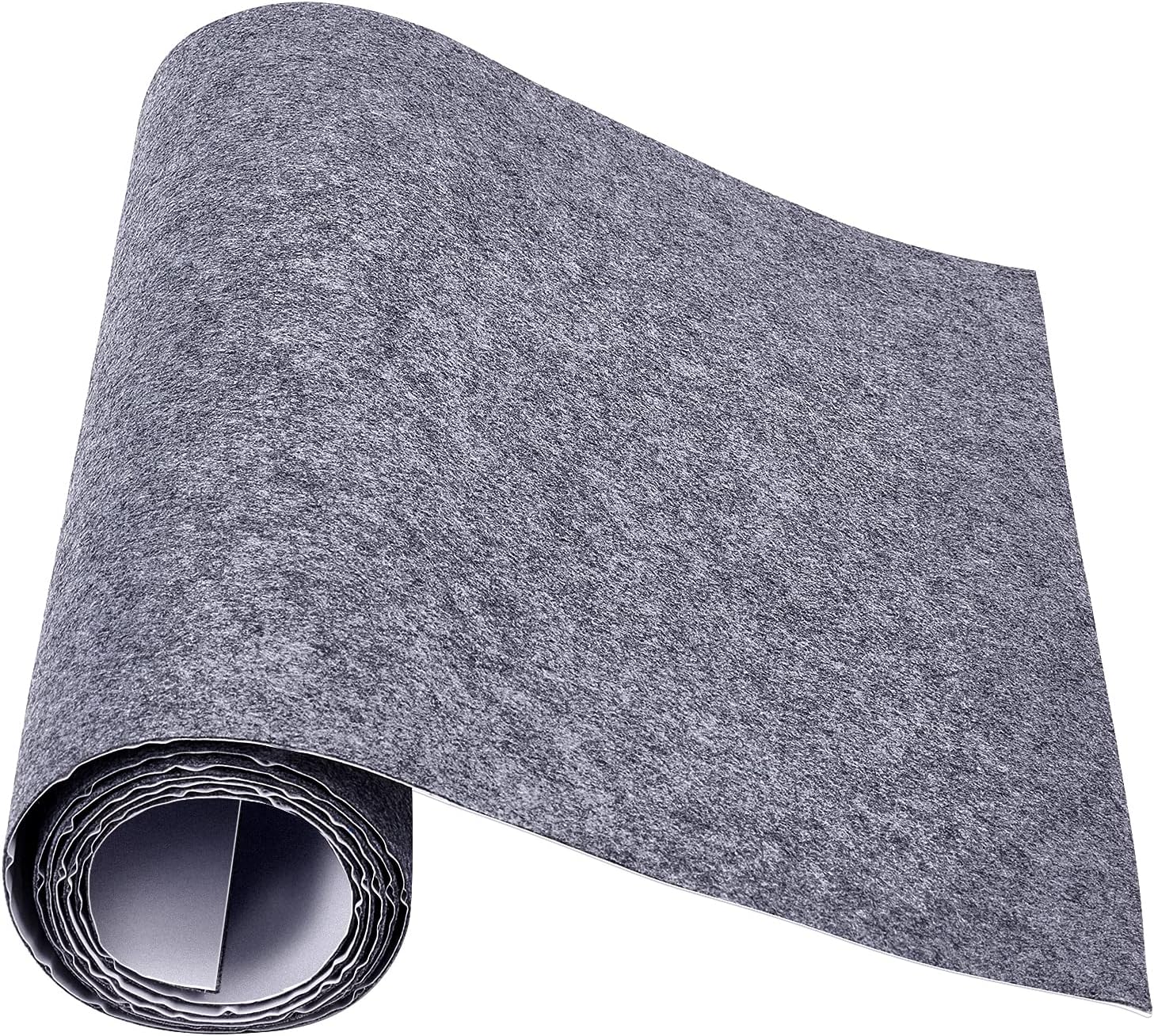
A sheet of adhesive-backed felt drawer liner costs $6 at any hardware store. Cut it to fit the bottom of your drawer, lay your knives flat on top with a thin layer of felt between each one, and close the drawer. No slots, no guards, just cushioning.
Visit on Amazon →
A sheet of adhesive-backed felt drawer liner costs $6 at any hardware store. Cut it to fit the bottom of your drawer, lay your knives flat on top with a thin layer of felt between each one, and close the drawer. No slots, no guards, just cushioning.
I've used this for a stretch when I couldn't afford the bamboo tray. It works. The felt keeps the blades from contacting each other and from rattling against the drawer bottom. One owner called it "the cheapest fix that actually worked." I'd agree. My edges held about as well as they did with a $40 tray.
The felt does need replacing every six months or so. It compresses, it stains, and it traps crumbs. At $6 a pop, that's ten cents a day to keep your edges alive.
Flaws but not dealbreakers
Felt traps moisture. If you wash and dry a knife and toss it onto felt while it's still slightly damp, you'll see rust spots along the spine within a week. That's the failure pattern I keep seeing in buyer reports, and it's real. The fix is simple: hand-wash, dry immediately with a towel, then store. Skip that step and the felt becomes a humidity chamber for your steel.
Upgrade pick: Magnetic Tool Holder Strip (for tools)
 Visit on Amazon →
If you're willing to give up drawer storage entirely, a magnetic wall strip is the best edge protection I've used. Blades hang in open air, no contact with other tools, no moisture trap. I mounted a 16-inch strip next to my prep area and emptied the knife drawer completely.
Visit on Amazon →
If you're willing to give up drawer storage entirely, a magnetic wall strip is the best edge protection I've used. Blades hang in open air, no contact with other tools, no moisture trap. I mounted a 16-inch strip next to my prep area and emptied the knife drawer completely.
Edges last noticeably longer on a magnetic strip. Air circulation around the blade means no trapped moisture. The tradeoff is that strips require wall mounting, which not every renter wants to commit to. Also, heavier knives can slide down the strip if you knock them while grabbing a neighboring blade. I've had a 10-inch chef's knife slide off and land on my foot once. That's a real injury risk.
Strips run $20 to $60 depending on length and brand. The wooden-backed models look better, the all-metal versions hold stronger magnets. Either works.
Flaws but not dealbreakers
Heavy knives slide. If you mount the strip at an angle or grab knives off-center, the magnet releases. Mount it level, grab knives straight on, and it's safe. People who skip that step end up with bent toes.
The competition
I tested a cheap bamboo countertop block alongside the drawer methods. It works for storage, but it takes up counter space, the slots collect dust, and the interior slots can trap moisture against the spine. I've seen rust spots develop on knives stored in blocks for the same reason they develop in drawers. Not better, just different.
I also tried a cheap universal knife roll, the kind you see in culinary schools. It works for transport but not for daily drawer storage. The rolls protect edges during a move, but they're slower to load and unload than a tray. One owner called it "overkill for a home kitchen." Fair.
Who this is for
Drawer storage works for cooks who already own a basic set and don't want to add counter clutter. Edge guards are for anyone who's tired of replacing chef's knives every year. The bamboo tray is for cooks who want the block-set look without the block.
The felt liner is for people on a budget who can commit to drying their knives before they go away. The magnetic strip is for anyone willing to give up drawer storage entirely in exchange for the best edge protection available.
Hand-wash, dry immediately, and store. That's the whole game. Skip any step and the steel will tell you about it by morning.