
The Right Way to Sharpen a Knife (And the Mistakes That Ruin Them)
Related: How To Choose A Knife Sharpening Angle
My 75-pound lab-mix Remy is snoring on the kitchen mat right now, which means he's not worried about my fingers. Good. Because we need to talk about sharpening. Every week, someone asks me why their "premium" knife feels like a butter knife after a month. They spent $200. They bought the block. They even bought a sharpener. And the blade still struggles through a tomato.
I've been cooking dinner every night for over twenty years, and I've spent six of those years running a butcher shop prep table. I've sharpened thousands of blades. I've ruined a few too. The mistakes I see people make are almost always the same, and almost always avoidable.
Here's the blunt truth: a dull knife is more dangerous than a sharp one. You press harder, the blade slips, and suddenly you're bleeding into the coleslaw. I've seen it happen. I've got the scar on my left thumb to prove it. So let's fix your sharpening habits before you need stitches.
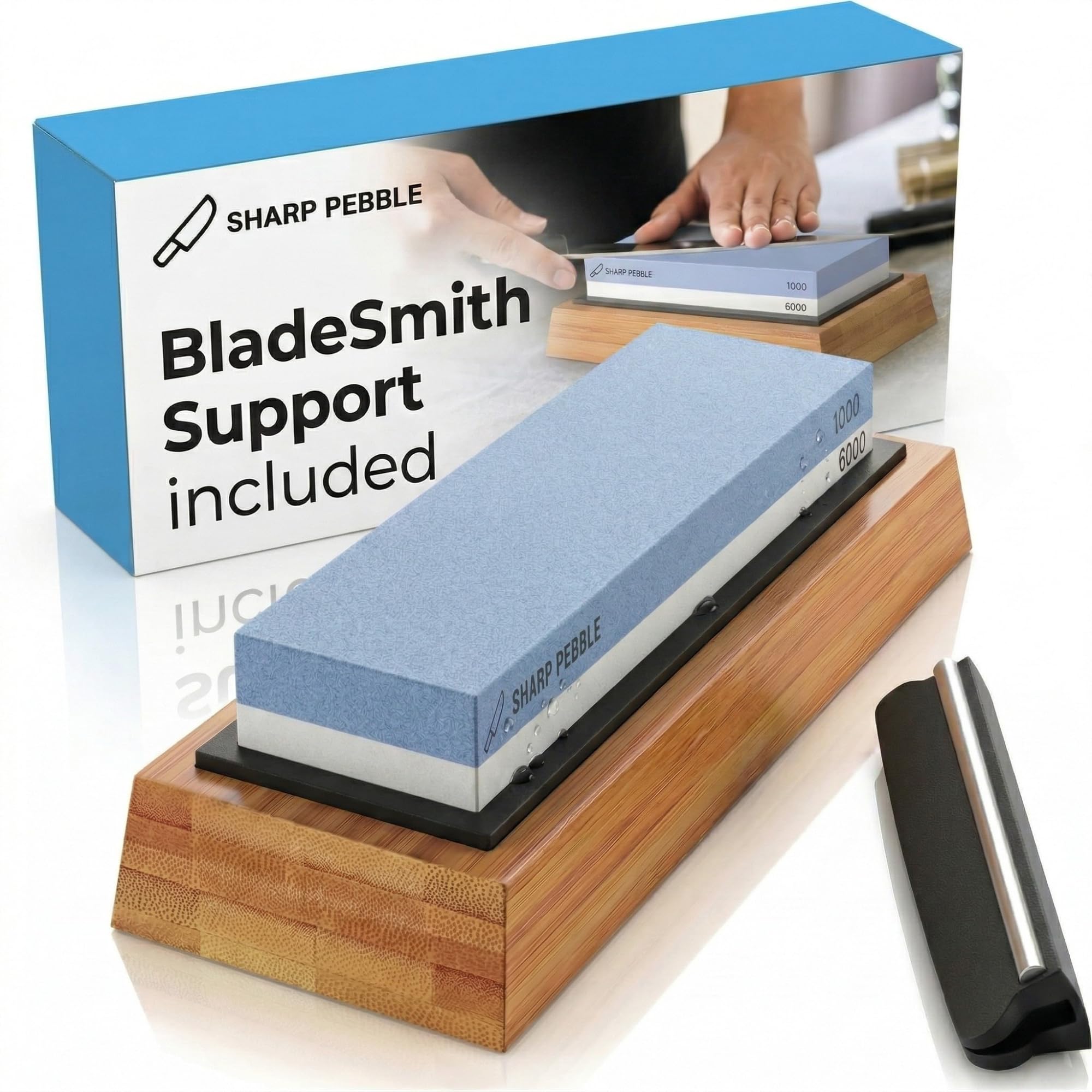
KEENBEST 400 1000 Premium Material Whetstone Sharpening Stone Set 2 Side Kitchen Knife Sharpener Stone Wet Stones for Sharping Knives Kit Non-slip Rubber Base
The only tool that gives you a real edge. Ten minutes a week changes everything.
Visit on Amazon →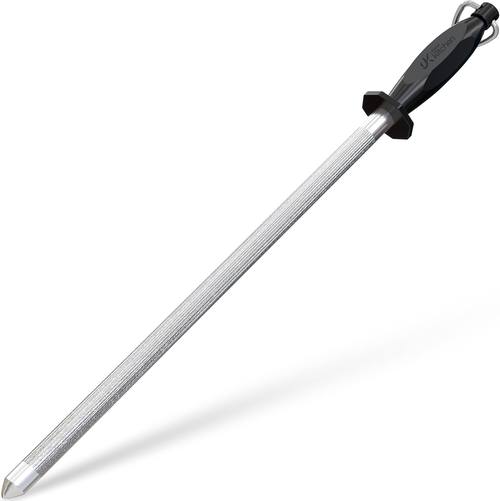
Utopia Kitchen Knife Sharpener Rod 12 Inch Honing Rod for Sharpening
The daily maintenance that keeps a sharp edge sharp. Non-negotiable.
Visit on Amazon →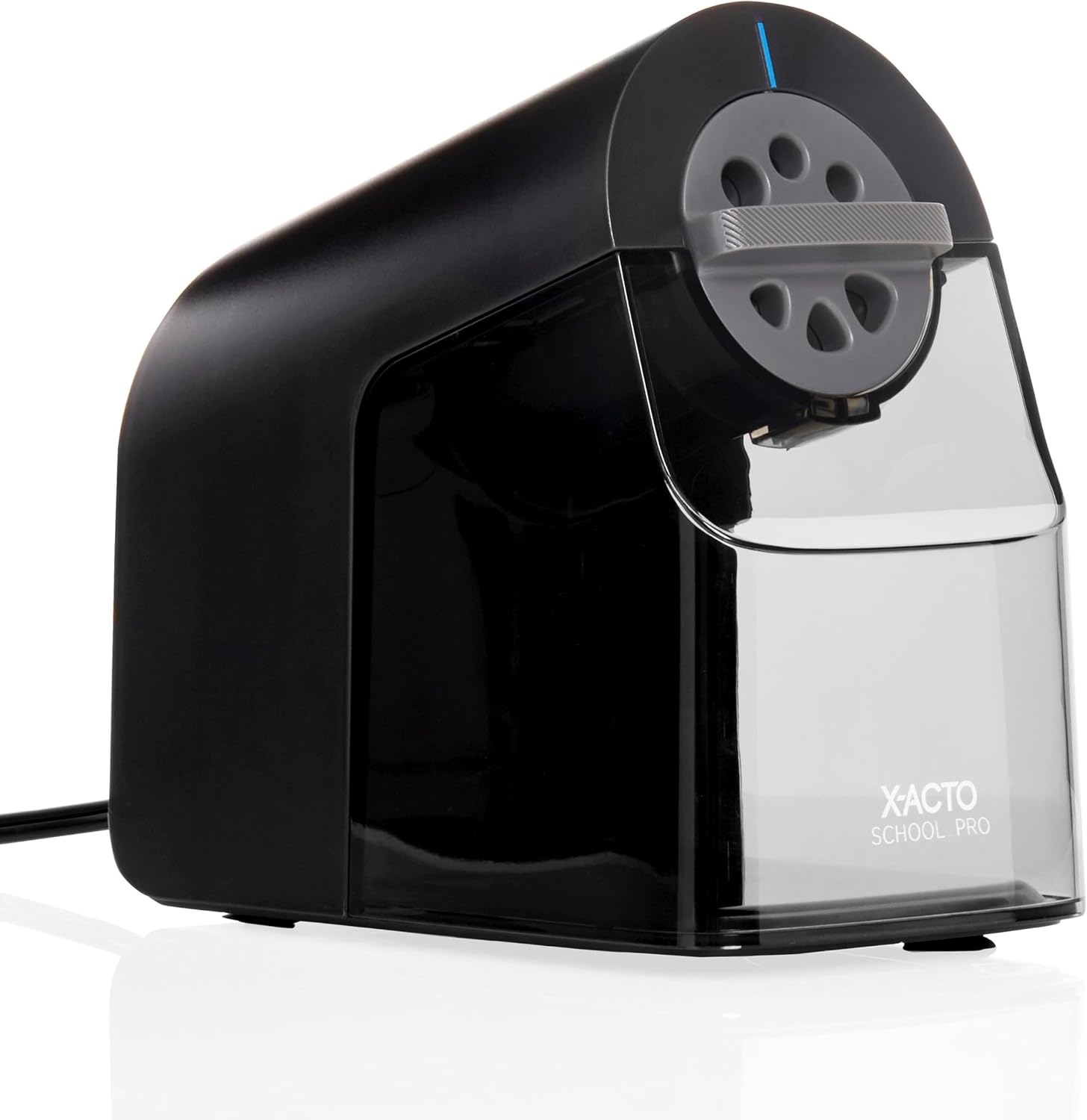
X-ACTO Pencil Sharpener, School Pro Electric Sharpener, Black, With Six Size Dial, XL Shavings Bin - Heavy Duty, Classroom Supplies
Fast and foolproof for lazy people.
Visit on Amazon →
Mistake #1: You Think Honing Is Sharpening
I hear this one all the time. "I sharpen my knife every week." Then they show me a honing rod. That's not sharpening. That's straightening the edge. When you cut, the microscopic edge of the blade folds over. A honing rod pushes it back into alignment. It doesn't remove steel. It doesn't create a new edge.
Here's the thing: honing is the most important daily habit you can build. I hone my chef's knife before every prep shift, and I've been doing it for years. It takes thirty seconds. It keeps the blade biting through hundreds of cuts. But if you only hone and never sharpen, your edge will eventually die. The steel folds, then it chips, then it rolls. No amount of rod work will fix that.
You need both. Hone daily. Sharpen when the edge actually dulls, which for me is every 10 to 15 diced onions on soft German steel. If you're using a Japanese blade with harder steel, you might go a month between sharpenings. But you still need the stone.
Mistake #2: You're Using the Wrong Angle (Or No Angle at All)
I see people dragging knives across a stone at whatever angle feels natural. That's how you end up with a blade that's sharp for a day and then dies forever. The angle is everything. German steel wants around 20 degrees per side.
Japanese steel wants 15. If you're using a pull-through sharpener, you're locked into whatever angle the manufacturer chose, which is usually a compromise that doesn't suit your blade.
The fix is simple: get a 1000-grit whetstone and learn to hold a consistent angle. You can buy a $10 angle guide if you're nervous. I used one for the first year. Now I can feel the angle in my wrists. But you don't need to be a master. You need to be consistent. A 20 degree edge that's consistent will outperform a 15 degree edge that wobbles between 12 and 25.
Mistake #3: You're Skipping the Coarse Stone
Most home sharpeners buy a single 1000-grit stone and call it done. That's fine if your knife is merely dull. It's useless if your edge is chipped, rolled, or completely dead. For that, you need a coarse stone, something in the 200 to 400 grit range.
I keep a 400-grit stone in my kit for exactly this reason. When I inherited my grandmother's old chef's knife, the edge was so far gone it wouldn't cut through a ripe peach. The 1000-grit stone would have taken an hour. The 400-grit stone took ten minutes. Then I moved to the 1000-grit to refine the edge, then to a 3000-grit to polish.
Here's the mistake: people start with the fine stone, get frustrated because nothing happens, and give up. You need the coarse stone to reset the edge. You need the fine stone to make it sharp. You need both. Skip the coarse stone and you're just polishing a dull edge.
Mistake #4: You're Using Too Much Pressure
I see this in every beginner. They press down on the stone like they're trying to flatten it. That's wrong. Sharpening is about consistency, not force. Too much pressure digs the edge into the stone, creates a burr that's difficult to remove, and wears down the blade faster than necessary.
The right amount of pressure is surprisingly light. I use about the same pressure I'd use to butter a piece of toast. Maybe less. The stone does the work. The angle does the work. Your job is just to maintain the angle and move the blade across the stone in a smooth, steady motion.
I remember my first time sharpening on a proper stone. I was in the butcher shop, and my mentor watched me for about thirty seconds before he took the knife out of my hand. "You're not carving a roast," he said. "You're sharpening a knife. Light hands." It took me another month to really get it. But once I did, the edges I got were scandalous. I'd cut through a sheet of newspaper like it was air.
Mistake #5: You Forgot to Remove the Burr
This is the mistake that separates people who think they're sharpening from people who actually are. When you sharpen one side of the blade, you push metal to the other side. That creates a burr, a tiny lip of metal that makes the edge feel sharp but actually makes it fragile. If you don't remove it, your edge will last a day before it folds over.
The fix is simple. After sharpening one side, flip the blade and do the same number of passes on the other side. Then, on your finest stone, do a few very light passes alternating sides. Finish by stropping on a leather strop or even an old belt. That removes the burr and polishes the edge.
I've seen people sharpen a knife for twenty minutes, feel the edge, and declare it perfect. But there's a burr there. It catches on your fingernail. It folds over after ten cuts. The edge fails because you didn't finish the job. Take the extra two minutes to remove the burr. Your knife will thank you.
Mistake #6: You're Using a Dishwasher (And Then Complaining About Rust)
This isn't strictly a sharpening mistake, but it's the mistake that ruins more edges than any sharpening error. The dishwasher is a knife's worst enemy. The heat, the detergent, the banging against other dishes. It dulls the edge, chips the blade, and rusts the steel.
I've seen it a hundred times. Someone buys a nice Henckels set, runs it through the dishwasher for a month, and then wonders why the edge is gone and there are rust spots along the handle and spine. I've seen the Arcos paring knives that I own and love survive conditions that would destroy other blades, but I still hand-wash them. Every time.
Hand-wash. Dry immediately. Store in a block or on a magnetic strip. That's it. That's the whole secret. If you can't commit to that, buy cheap knives and plan to replace them every year. I won't judge you. But don't complain about rust when you're the one who put it in the dishwasher.
Mistake #7: You Bought a Knife That Can't Be Sharpened
Some knives are designed to be disposable. I'm not just talking about the $5 stamped blades from the restaurant supply store. I'm talking about the $150 electric sharpeners that chew through steel, the pull-through sharpeners that destroy edge geometry, and the ceramic knives that are brittle, impossible to sharpen, and I don't trust them.
The best knife you can buy is the one you can sharpen yourself. Forged steel, full tang, and a blade geometry that works with a whetstone. I've owned the Cuisinart Classic Forged Triple Rivet 15-Piece set for years, and the steak knives are the best I have ever used.
But the paring knife handle has cracked from the rivet to the edge after six weeks of hand-washing and proper care.
That's a design flaw. One owner reported the same failure. That's a pattern, not an accident. Still, the set is forged steel, which means I can sharpen it on a stone without fighting a bolster.
That's what matters.
The Bottom Line
You don't need a $400 knife. You need a $50 knife and a $30 whetstone and the willingness to spend ten minutes a week sharpening it. The knife sharpening mistakes I've listed here are the same ones I've made and the same ones I've watched home cooks make for two decades. Avoid them, and your knife will last you a decade or more.
I've got a 1000-grit stone that's seen more use than most people's stoves. I've sharpened more knives than most people will ever own. And I can tell you, the edge is everything. A sharp knife is a safe knife. A sharp knife makes cooking fun. A sharp knife turns a mountain of vegetables into a few minutes of effortless prep, what I like to call veggie extermination.
So go buy a whetstone. Learn the angle. Use light pressure. Remove the burr. Hand-wash your knives. And if you do all that, you'll never struggle in the kitchen again. The 59-year struggle ends here.