Related: How to Hone a Knife Without Rounding the Edge
I sharpen my knives every morning before service. Sixteen years in kitchens taught me that a knife set and sharpener are two separate purchases, and most people buy them in the wrong order. They buy the block first, fill it with blades they never touch, then wonder why the chef's knife in the front slot is dull by October.
Here is the honest math: a knife set is 80 percent chef's knife. The other pieces are garnish. So the kit I actually keep on the counter is not a 15-piece monument to steak knives. It is one knife that fits the hand, one sharpener that matches the steel, a set for the household and the guests, and a small safety item for homes where small hands reach the counter edge.
I have sharpened more knives than most people will ever own, thousands of blades across every brand, from $20 stamped knives to $400 Japanese gyutos. The same lesson shows up every time: sharpness is a maintenance habit, not a purchase. These four picks are what that habit looks like across four jobs.
The Knife That Teaches You: GoodCook Everyday Cook's Knife, 6-Inch
Six inches is a smart first length. It is short enough that a nervous cook keeps their fingertips behind the edge, and long enough to break down a chicken breast, split a head of cabbage, or mince an onion without fighting the blade. When someone tells me they are scared of their chef's knife, this is the size I hand them.
A knife in this price class is stamped steel, thin and light, and I want to be straight with you about that. Stamped steel is not bad. It is just not a knife you will hand to your grandkids. It will not hold an edge through a full prep shift the way a forged German blade does, and the handle is not built for a decade of hard service. What it does do is take a fresh edge quickly, which is the single most useful trait a learning knife can have. You can practice on it, make mistakes on it, and not feel sick about the scratches.
Use it for vegetables, boneless proteins, and anything where control matters more than power. Do not pry with it, do not hack through frozen food, and do not put it in the dishwasher. Hand wash, dry it immediately, and hit it with a honing steel before each use. If you learn that routine on a knife that costs less than lunch, you will keep that routine when you upgrade.
The Household Set: Cuisinart 12-Piece Block Knife Set
I make fun of knife blocks, and I still keep one for guests. There is a real case for a set like this: it is stainless, lightweight, dishwasher safe, and it puts a full lineup in one place so nobody has to dig through a drawer to find a paring knife. For a shared kitchen, a rental, or a household where several people cook at different skill levels, that convenience is worth more than edge geometry nobody is going to maintain.
Be clear about what you are buying. Dishwasher safe is a trade, not a bonus. Heat and detergent are unkind to a fine edge, and a set sold as dishwasher safe is telling you the steel and the handle are built to survive that abuse rather than to hold a razor edge for months. If you run these through the machine, expect to touch them up more often. That is fine as long as you own a sharpener.
Of the twelve pieces, four will do almost all the work: the chef's knife, the slicer, the utility knife, and the paring knife. The rest is what fills the block. That is not a scandal, it is just how sets are sold, and it is why I never recommend buying a set as your only knife purchase. Buy the set for the household, then keep one knife that is yours.
Block care matters more than people think. Do not slam a blade into a slot, and do not store a wet knife in the block. Both habits chew up edges and trap moisture where you cannot see it.
The Maintenance Tool: RazorSharp Knife & Scissor Sharpener
This is the piece that decides whether the other three are worth owning. A honing steel is not a sharpener. It is a realignment tool, and yes, you need both. The steel straightens a rolled edge between uses. A sharpener like this one removes metal and cuts a new edge when realignment is no longer enough.
The feature that matters here is the adjustable 14 to 24 degree angle guide. Edge angle is not marketing trivia, it is the difference between a knife that cuts and a knife that skids. Japanese blades run thin and hard, often in the 14 to 16 degree range per side. German and most American kitchen knives sit closer to 20 degrees, and heavier work knives can go wider still. A fixed-angle pull-through sharpener forces one geometry onto every knife in your drawer, which means it either thins a German blade or fights a Japanese one. Adjustable means you can match the steel you actually own.
Two rules for using any pull-through sharpener. First, sharpen less often than you think and hone more often than you think. Second, do not lean on the thing. A few controlled passes on the correct angle beat twenty aggressive ones that chew a blade down to a stub over a couple of years. If you own a scissor that has been tearing instead of cutting, the scissor slot is a nice bonus, and kitchen shears are the most neglected edge in the house.
I keep a 1,000-grit stone for my own knives, and I still want one of these in the drawer for everyone else in the house. The stone is for the knife I care about. This is for the set in the block.
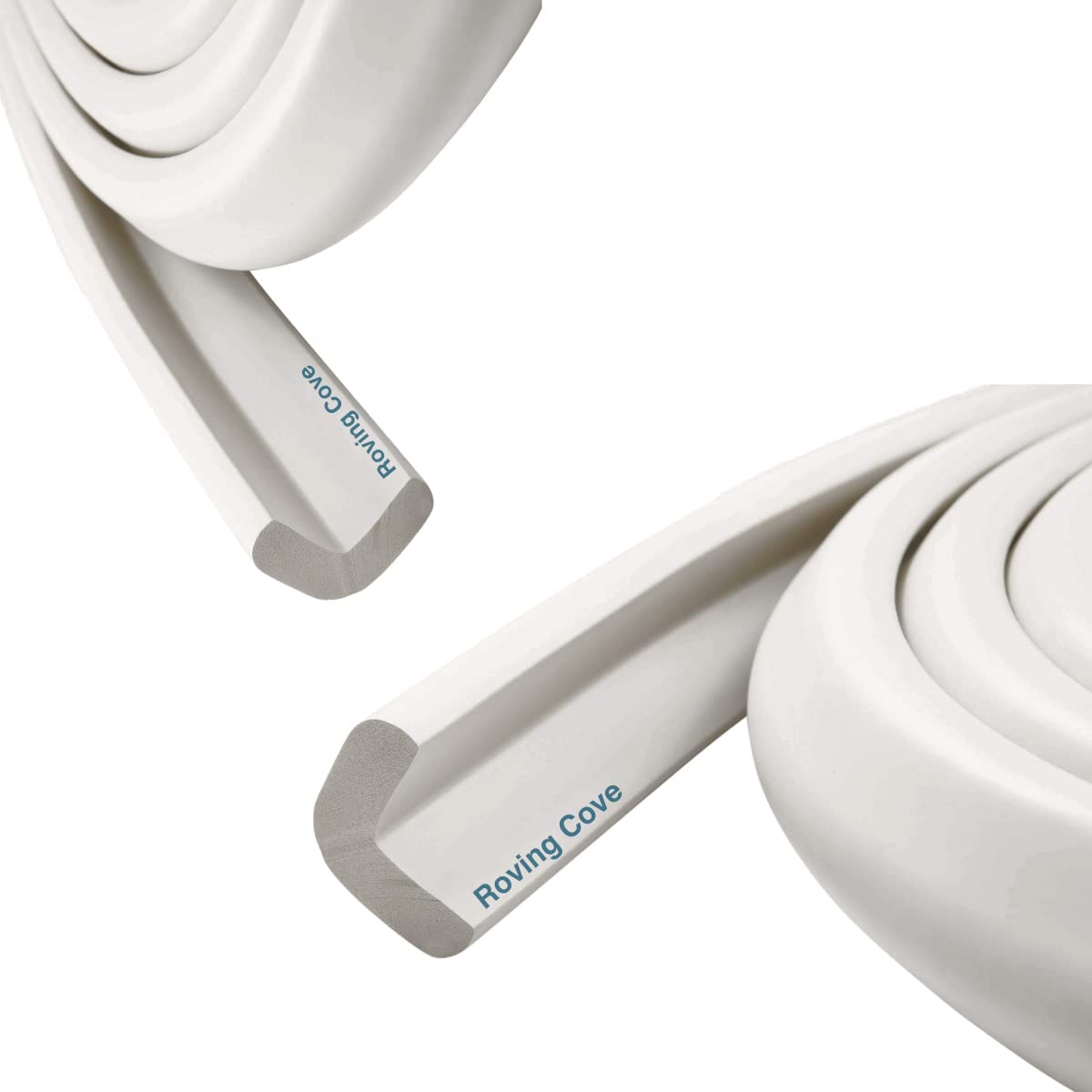
The Safety Piece: Roving Cove Furniture Edge Protector, 12ft Edge Only
This is not a knife product, and I am not going to pretend it is. It is a household safety product that earns a place in a knife article for one reason: the sharpest thing in a kitchen with a toddler in it is usually not the knife. It is the counter edge at exactly forehead height.
Twelve feet of edge coverage handles a long counter run, a desk, a coffee table, or the lip of a fireplace hearth. It is edge only, so measure your run and plan the corners before you peel the backing. Installing it is a ten minute job, and it is the kind of purchase you make once and forget about, which is the highest compliment I can pay a safety item.
One caution that has nothing to do with this product and everything to do with knife safety: edge guards and corner padding reduce injuries, they do not replace habits. Knives go in the block or on a magnetic strip, never in a sink full of soapy water, and never on the counter edge where a small hand can reach up.
How I judge a knife setup
I run the same four questions on every knife that comes through my kitchen. Does it hold an edge through a full prep shift? Is the handle comfortable after 200 cuts? Can I sharpen it without fighting a bolster? Would I reach for it on a busy Saturday service? If a knife fails the fourth question, nothing else matters.
Then there is the morning test. Every day, before anything else, I check the edge on whatever I used the night before. If it slides on a tomato, it gets steel. If steel does not bring it back, it gets sharpened. That habit is the entire difference between a knife that works and a knife that frustrates you, and no purchase replaces it.
What the specs actually tell you
Stamped versus forged is the first fork in the road. The GoodCook knife is a stamped blade in a low price class, and the Cuisinart set is stainless and lightweight, which is the same story told across twelve pieces. Neither is built to be handed down. Both are built to be used, washed, and sharpened without heartbreak. That is a legitimate job.
Dishwasher safe tells you about the steel and the handle construction, not about edge retention. A knife rated for the machine is a knife that expects to be treated roughly, so plan on more frequent touch-ups.
The angle guide on the sharpener is the spec that quietly matters most. Adjustable 14 to 24 degrees means one tool covers the Japanese gyuto, the German chef's knife, and the cheap paring knife in the drawer, instead of forcing you to buy a second sharpener or accept a compromised edge on half your knives.
Edge protection is the spec people skip until something happens. Twelve feet of coverage is a lot of counter, and it is a one-time purchase.
The kit at a glance
| Product | Role in the kitchen | What actually matters | Price |
|---|---|---|---|
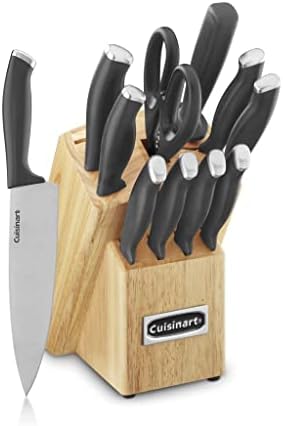 Visit on Amazon → Cuisinart Block Knife Set, 12pc |
Household set and guest set | Stainless, lightweight, dishwasher safe, twelve pieces with four that do the work | $67.96 |
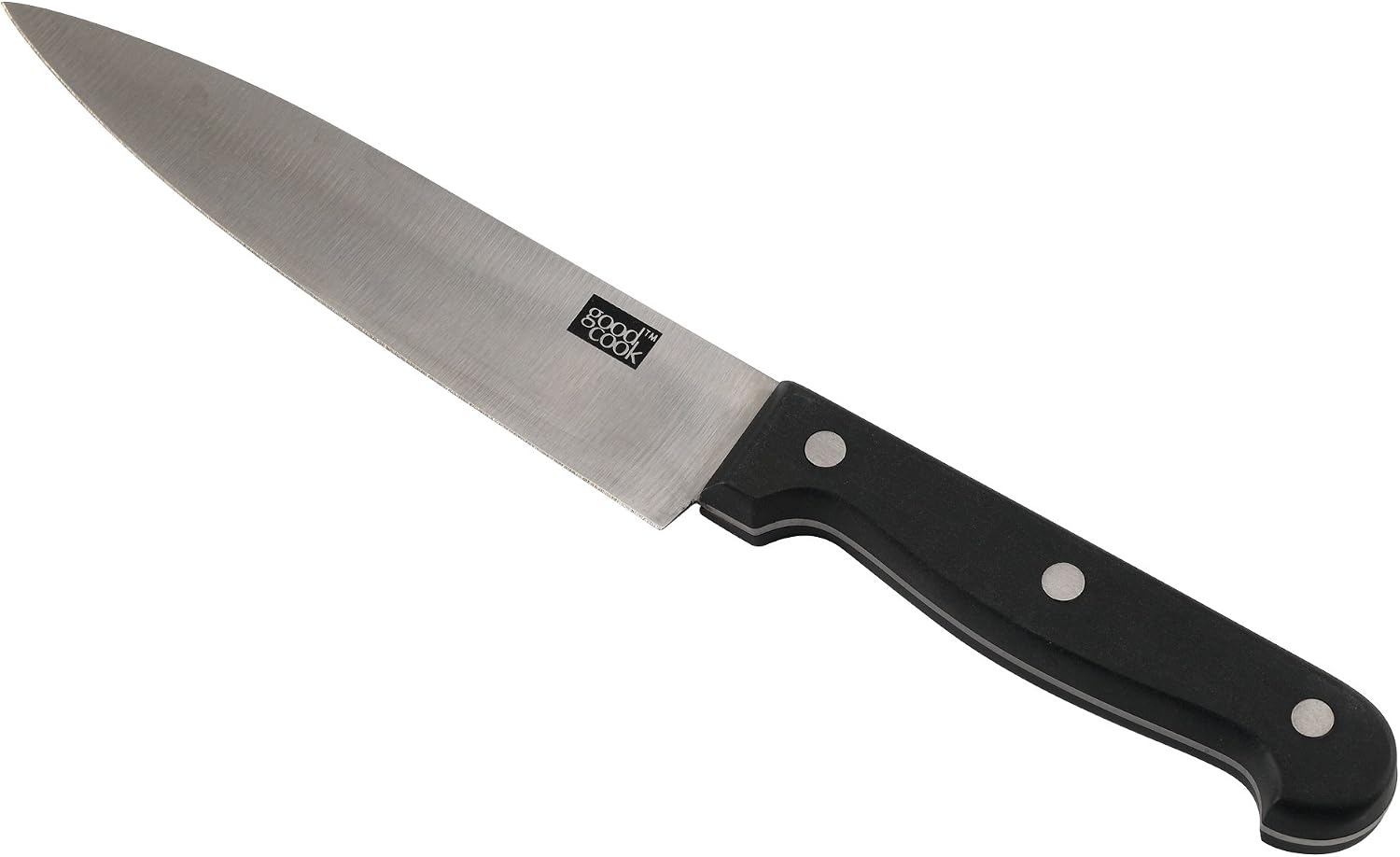 Visit on Amazon → GoodCook Everyday Cook's Knife, 6-Inch |
First knife and spare | Six-inch length, forgiving for new cooks, quick to take a new edge | $5.65 |
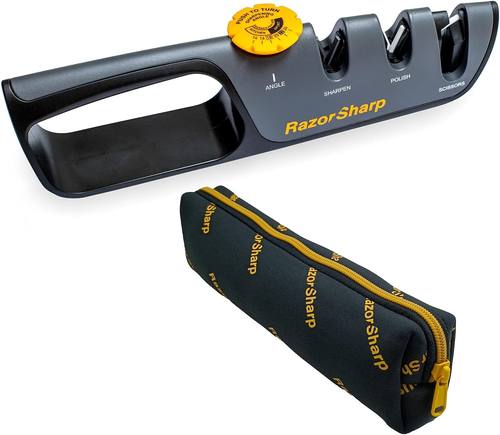 Visit on Amazon → RazorSharp Knife & Scissor Sharpener |
The maintenance habit | Adjustable 14 to 24 degree angle guide, plus a scissor slot | $49.99 |
 Visit on Amazon → Roving Cove Furniture Edge Protector, 12ft |
Household safety | 12 feet of edge-only coverage for counters and desks | $18.90 |
Should you buy the Cuisinart 12-Piece Block Knife Set?
Yes, if you want one box that covers the whole drawer. It is stainless, lightweight, and dishwasher safe, which tells you exactly what it is: a stamped household set, not a forged professional one. The chef's knife, slicer, utility knife, and paring knife will do the work. The rest is block filler. Treat it as the household set and keep your best knife separate, and it will serve a busy kitchen for years.
Should you buy the GoodCook Everyday Cook's Knife?
Yes, as a first knife or a spare. Six inches is a forgiving length for a cook who is not ready for a 10-inch chef's knife, and the price means you can learn to sharpen on it without flinching. It is stamped steel, so it will not hold an edge the way a forged blade does, but it takes a new edge quickly, which is exactly what a beginner needs. Pair it with the sharpener and a honing steel and you have a complete starter setup.
Should you buy the RazorSharp Knife & Scissor Sharpener?
Yes, and honestly this is the piece that makes the other three worth owning. The adjustable 14 to 24 degree angle guide covers Japanese edges on the low end and German and American edges on the high end, which a fixed-angle pull-through cannot do. A honing steel realigns an edge. This actually cuts a new one. You need both, and if you only buy one thing from this list, buy this.
Should you buy the Roving Cove Furniture Edge Protector?
Buy it if there is a toddler in the house and a counter or desk edge at their height. It is not a knife product, it is a household safety product, and it covers 12 feet of edge only. Measure your run before you peel the backing, because this is edge coverage, not corner coverage. Then put the knives back in the block and keep them there.