
How To Clean Kitchen Knives
Related: How to Store Kitchen Knives: Strips, Blocks, and Drawers
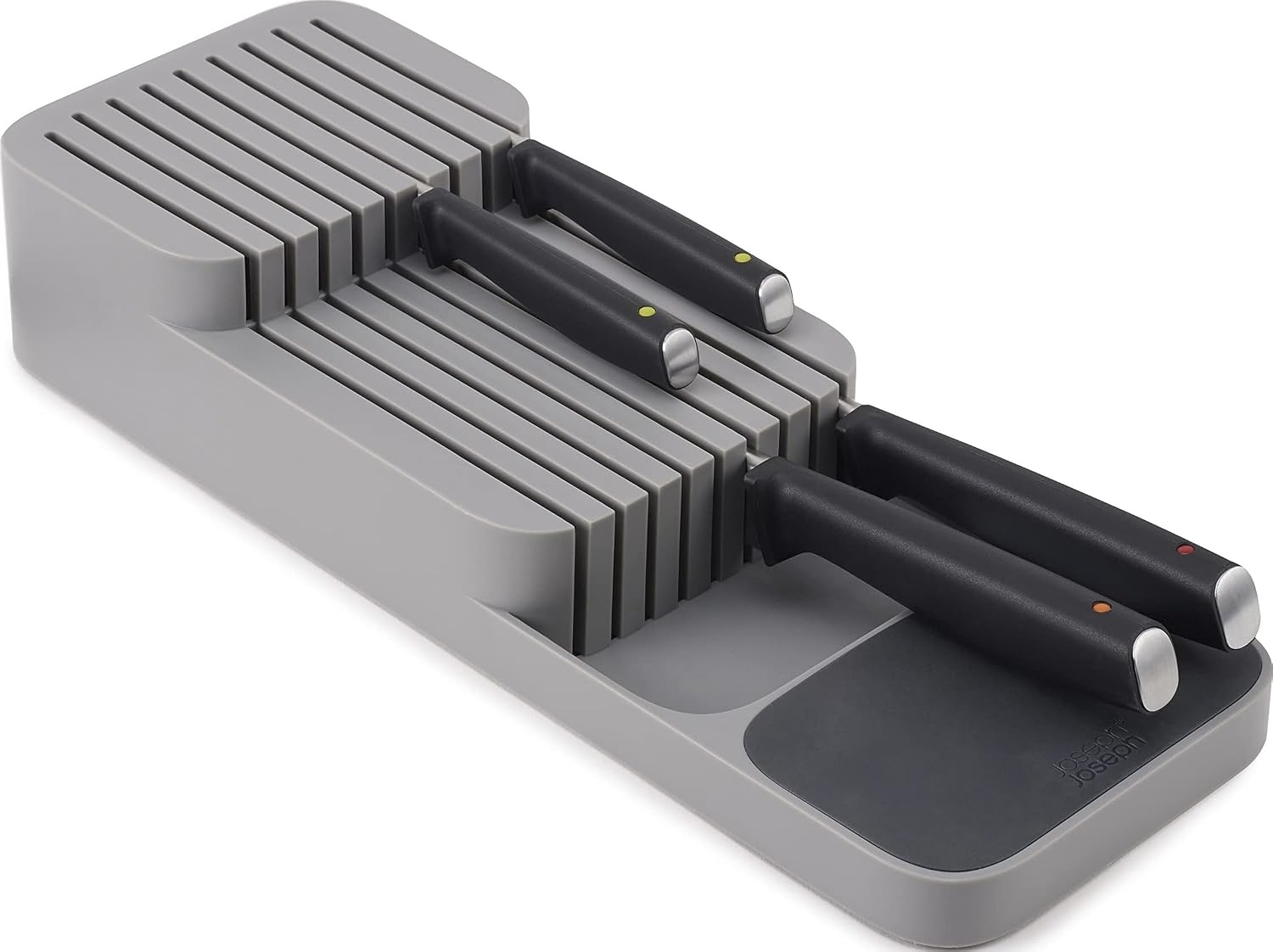
You're told to hand-wash your knives and never put them in the dishwasher. But nobody tells you the actual steps, or why a knife rusts even when you follow the rules. I've spent 16 years in kitchens and butcher shops, and I've ruined more blades than I care to count before I figured out the routine. Here's how to clean kitchen knives the way that actually keeps an edge and prevents rust.
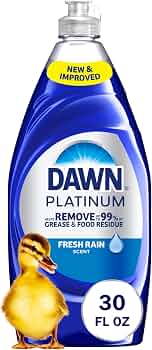
Dawn Platinum Dish Soap Fresh Rain Scent Liquid Dishwashing Detergent, Powerful...
Cuts grease without stripping the blade, no residue
Visit on Amazon →
ZWILLING 37 x 25 cm Fibrewood Chopping Board with Juice Groove, Non-Slip, Dis...
Gives you a safe surface that won't dull the edge
Visit on Amazon →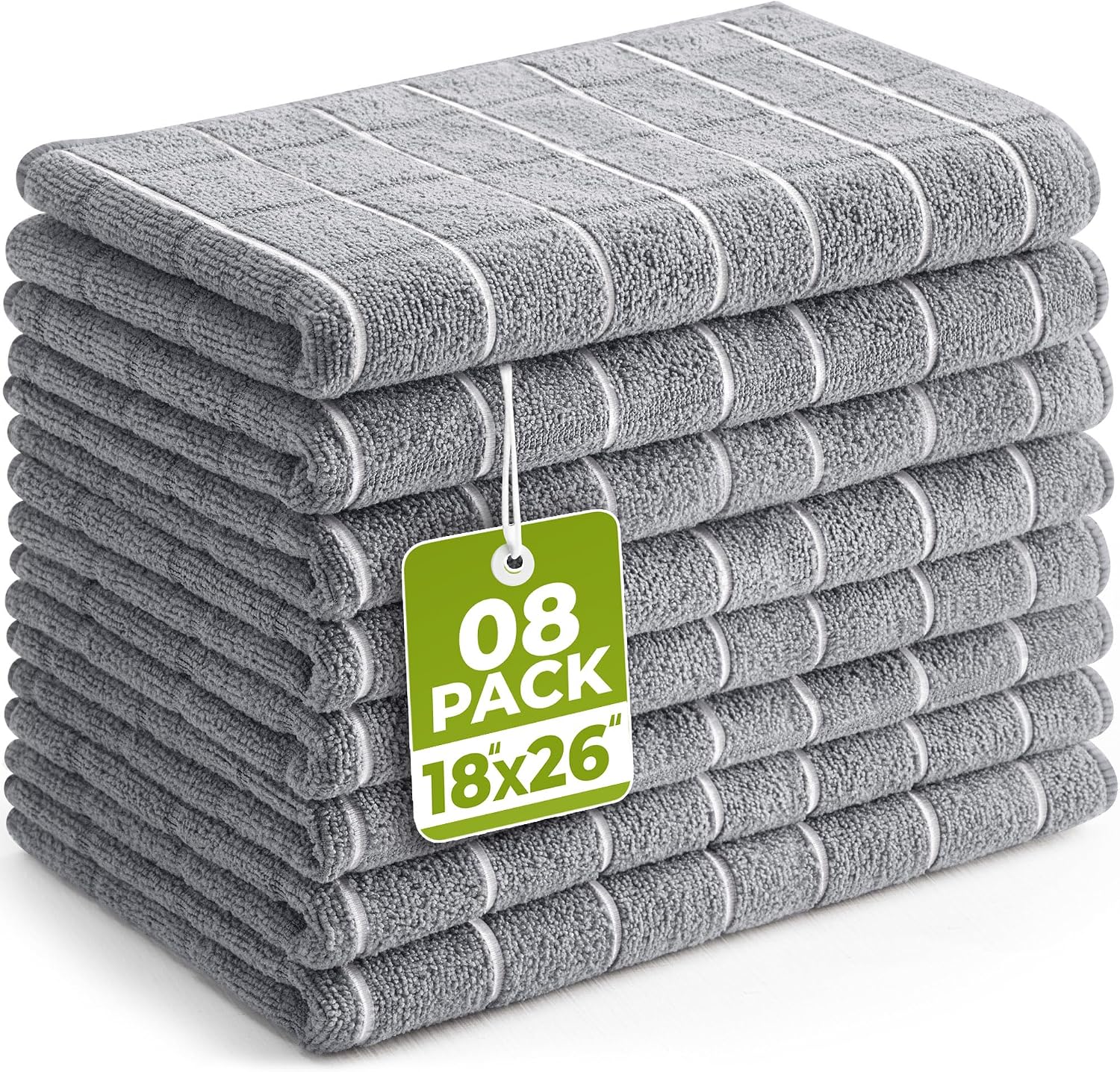
Utopia Towels Microfiber Kitchen Towels 8 Pack 18x26 Inch Grey
Lint-free drying that prevents water spots and rust
Visit on Amazon →Utopia Towels Microfiber Kitchen Towels 8 Pack 18x26 Inch Grey
Grease doesn’t stand a chance. New Dawn Platinum is stronger on tough grease (vs. previous formula) to melt away stubborn messes with ease. Dawn Platinum removes 99% of Grease and Food Residue with le
Visit on Amazon →The Dishwasher Debate
I'll say it plain: the dishwasher is where knives go to die. The heat cycles warp handles, the detergent is abrasive, and the water spray bangs blades against other metal until the edge rolls. But I've also seen people hand-wash wrong and get rust spots anyway. The problem isn't the method. It's the moisture.
The most important rule I've learned after two decades of knife ownership is this: dry immediately. Not "eventually." Not "when I get around to it." Immediately. I keep a dedicated dry towel next to my sink, and the second a blade is rinsed, it gets wiped down.
A knife left wet overnight will develop rust spots along the handle and spine by morning. I've seen it happen to a $400 set that lasted a week before chipping and rusting.
What You Actually Need
You don't need special knife soap or fancy cleaning solutions. I've used the same routine for years, and it costs about $20 total.
Dawn Platinum Dish Soap Fresh Rain Scent Liquid Dishwashing Detergent, Powerful...
Cuts grease without stripping the blade, no residue
Visit on Amazon →ZWILLING 37 x 25 cm Fibrewood Chopping Board with Juice Groove, Non-Slip, Dis...
Gives you a safe surface that doesn't dull the edge
Visit on Amazon →Utopia Towels Microfiber Kitchen Towels 8 Pack 18x26 Inch Grey
Lint-free drying that prevents water spots and rust
Visit on Amazon →Utopia Towels Microfiber Kitchen Towels 8 Pack 18x26 Inch Grey
Grease doesn’t stand a chance. New Dawn Platinum is stronger on tough grease (vs. previous formula) to melt away stubborn messes with ease. Dawn Platinum removes 99% of Grease and Food Residue with le
Visit on Amazon →The 30-Second Clean
Here's my routine after every prep shift, every dinner, every single cut. It takes 30 seconds.
- Rinse the blade under warm water. Not hot. Hot water sets proteins and makes them harder to remove.
- Apply a drop of dish soap to a sponge. Use the soft side. Never the scrubby side, which will scratch the blade.
- Wipe from the spine to the edge, away from your fingers. I've sliced myself more times cleaning a knife than using one.
- Rinse again. Make sure all soap is gone.
- Dry immediately with a microfiber towel. Get the handle, the spine, the bolster, every crevice.
- Hang it or lay it flat. Never toss it in a drawer with other metal.
That's it. That's the whole process. The mistake people make is treating knife cleaning like washing a plate. It's not. It's more like cleaning a firearm. You're protecting a precision tool, not just removing food.
The Rust Problem
I've owned knives that rusted within a week of proper hand-washing. I've owned knives that never rusted no matter what I did to them. The difference is the steel.
My Arcos paring knives, which I've bought twice because the first set is still going strong after years, have a unique metal that doesn't corrode. I've left them in conditions that would destroy other blades, and they just don't rust. The steel is arguably soft, but that's a trade-off I accept because the maintenance is zero.
My Henckels Statement set, on the other hand, rusts if you look at it wrong. The sharpness is downright scandalous, but the steel is soft and reactive. One owner wrote that the sharpness is "downright scandalous," another reported rust spots along the handle and spine after leaving the knife wet overnight. I've had the same experience. If I don't dry these immediately, I see spots by morning.
The fix is simple: dry immediately, and if you own carbon steel or reactive stainless, apply a thin coat of camellia oil after drying. It's a $15 bottle that lasts a year, and it creates a barrier against moisture.
The Cutting Board Connection
Your cleaning routine doesn't end at the knife. The surface you cut on matters just as much. I've seen people use glass cutting boards, and I've seen those same people complain about dull knives. Glass is harder than steel. It will dull your edge faster than almost anything.
I use a Zwilling Non-Slip Cutting Board, which is $40 and has held up through years of daily use. The non-slip grip means the board doesn't slide, which means I'm not fighting the board while I cut. That's a safety issue as much as a knife care issue. A slippery board is how you lose a fingertip.
The board itself cleans with the same routine. Warm water, mild soap, dry immediately. Don't put it in the dishwasher either. The heat will warp it.
What About Sharpening?
Cleaning and sharpening are two different things, but they're connected. A clean knife is easier to sharpen. A dirty blade with food residue will clog your whetstone and ruin the abrasive surface.
I use a 1,000-grit whetstone that's seen more use than most people's stoves. I run the same sharpness test every single morning, a paper towel fold, a tomato skin, a single sheet of newspaper. If a knife can't handle all three without dragging, it gets honed. If it still can't, it gets sharpened.
Honing is different from sharpening. Honing realigns the edge. Sharpening removes metal. You should hone every 10 to 15 diced onions, and sharpen every few months depending on use. A honing rod costs $25 and will change your kitchen more than any new knife purchase.
The mistake I see most often is people buying a $400 knife and never sharpening it. They're not using it, they're collecting it. A $20 knife that's sharpened regularly will outperform a $400 knife that's dull.
The KitchenAid Warning
I'll be blunt about KitchenAid knives. They're mentioned dismissively in most serious kitchens. "A cheap KitchenAid knife" is what you say when you're describing what someone uses because they refuse to learn how to sharpen. I've seen these knives in more homes than any other brand, and I've never seen one that holds an edge.
If you own KitchenAid knives, the cleaning routine is the same, but the sharpening routine matters more. These blades are stamped, not forged, which means the steel is thinner and less durable. You'll need to hone more often and sharpen sooner.
But here's the thing: even a cheap knife can be made sharp. I've sharpened thousands of blades across every brand you can name, and I can make any of them cut through a tomato like butter. The question is how long the edge lasts. A forged blade holds an edge through a full prep shift. A stamped blade might make it through one onion.
The Paring Knife Problem
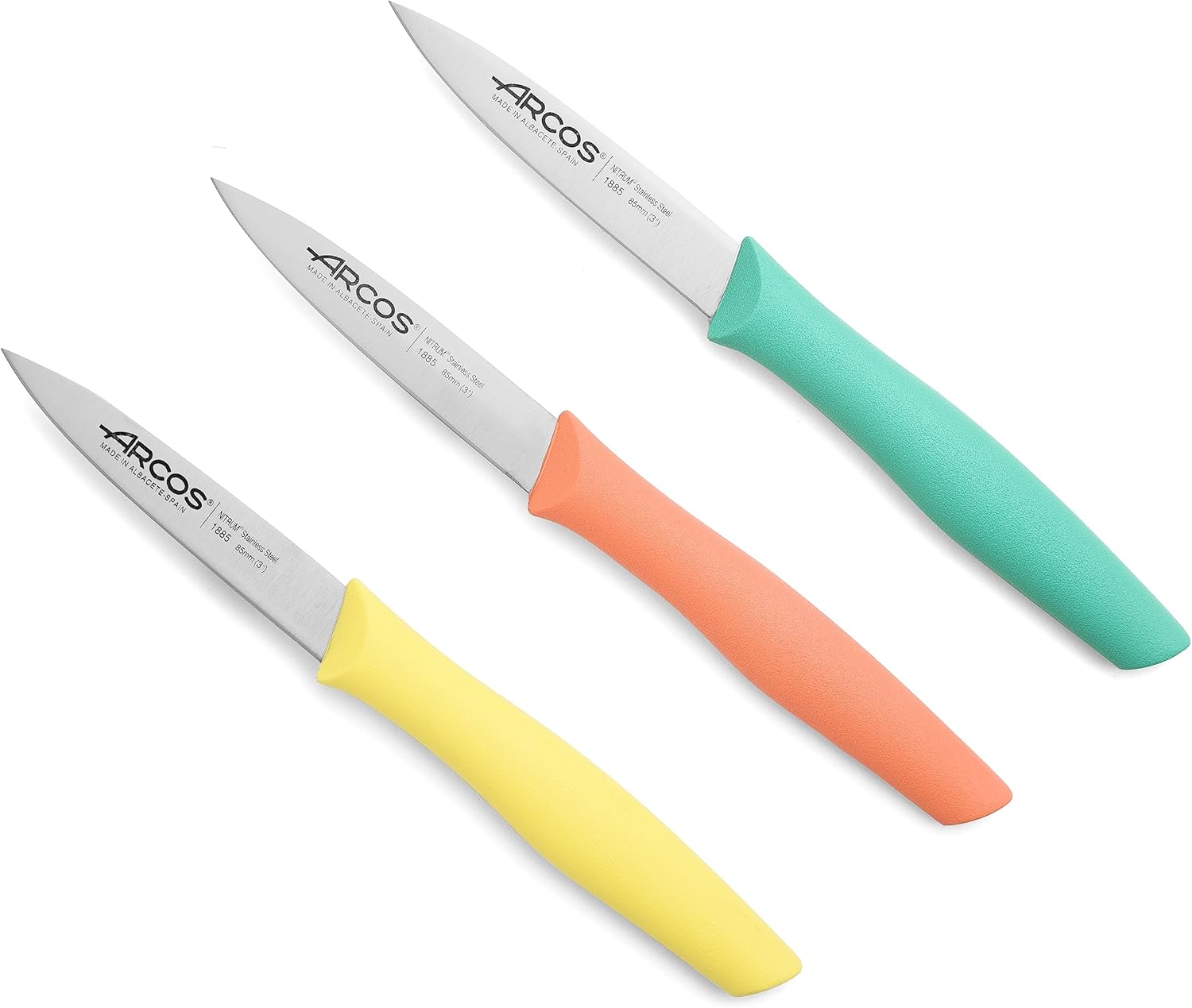
A paring knife is a razor blade with a handle. It's the most used knife in my kitchen, and it's the one people treat the worst. I've seen paring knives go in the dishwasher, get tossed in drawers, and get used as screwdrivers.
The cleaning routine for a paring knife is the same as any other knife, but the drying matters more. The smaller blade means less surface area, which means rust can form faster. I dry my paring knives immediately and store them in a knife block or on a magnetic strip. Never loose in a drawer.
I've also seen the Cuisinart Classic Forged paring knife handle crack from the rivet to the edge after about six weeks of hand-washing and proper care. That's a real flaw. One owner reported the same failure. That's a pattern, not an accident. If you own this set, check the paring knife handle regularly.
The Bottom Line
How to clean kitchen knives comes down to three things: warm water, mild soap, and immediate drying. That's it. Everything else is marketing.
The best knife in the world will rust if you leave it wet. The worst knife in the world will cut beautifully if you clean it and sharpen it. I've seen both extremes in my 16 years in kitchens, and the difference is always the owner, never the knife.
My dog Remy sleeps on the kitchen mat while I clean my knives. He's seen more knives cleaned than most people will ever own. And he's never seen me put a knife in the dishwasher. Neither should you.
Get a good cutting board, a bottle of dish soap, and a microfiber towel. That's $60 total. It'll protect a $400 investment or make a $20 knife last for years. Either way, you're winning.