
How To Tell If Knife Is Dull
A dull knife isn't just annoying, it's the most dangerous tool in your kitchen. Here's how I test mine every single morning, and what to do about it.
Most people think a dull knife is one that won't cut an onion. That's wrong. A dull knife is one that drags, slips, or requires force. I run the same sharpness test every morning before service, and it's three cuts that take about thirty seconds. If your knife can't handle them, you need to sharpen it before you touch another ingredient.
I've sharpened thousands of blades across every brand you can name: $20 stamped knives from restaurant supply stores, $400 Japanese gyutos with hand-forged san-mai steel, and everything in between. My 1,000-grit whetstone has seen more use than most people's stoves. Remy, my 75-pound lab-mix, sleeps on the kitchen mat while I test. He's seen more edge geometry than most culinary students.
Here's what I'm covering: the three-cut test I use, six sharpening tools ranked by what they actually do, and why a dull knife is more dangerous than a sharp one. The struggle of cooking with bad blades isn't just frustrating, it's how people lose fingertips.
The Short List
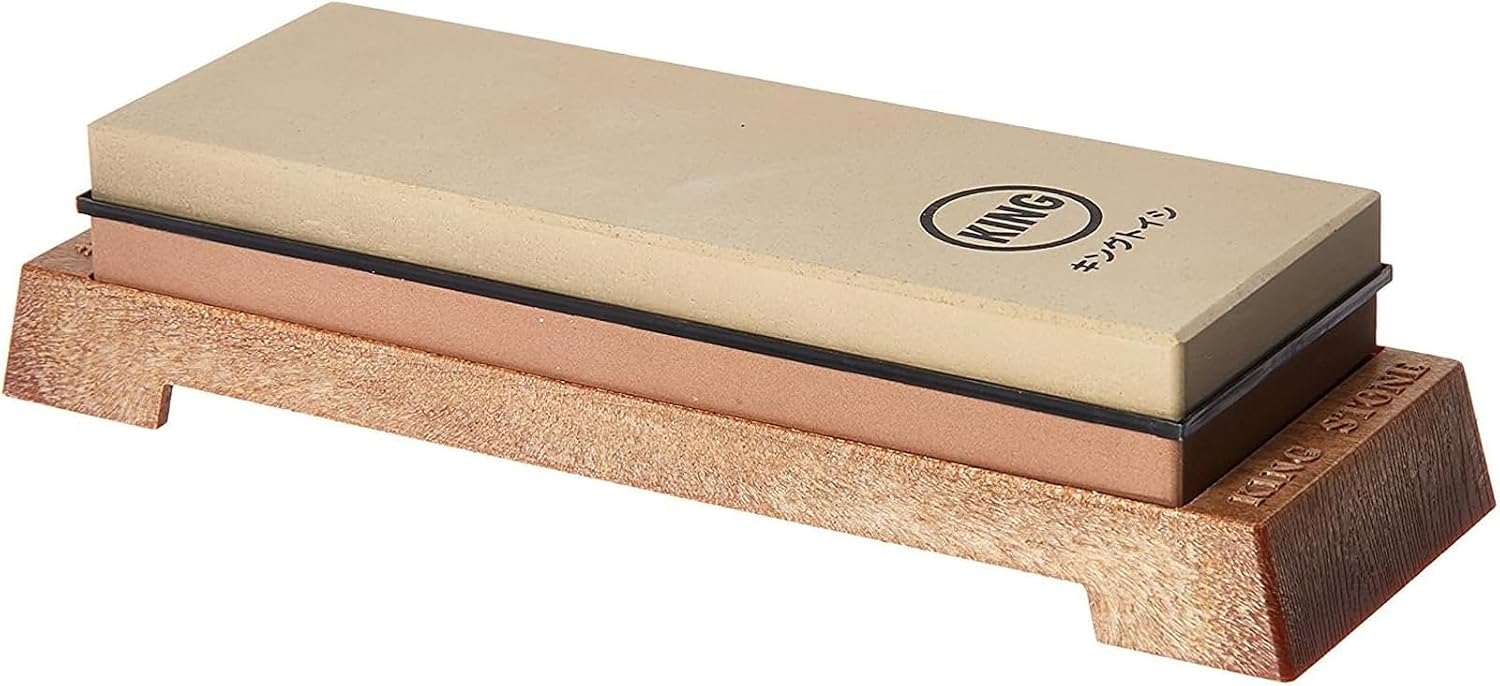
KING KW65 1000/6000 Grit Combination Whetstone with Plastic Base
The 1,000-grit side handles 90% of home kitchen sharpening. No nonsense, no learning curve.
Visit on Amazon →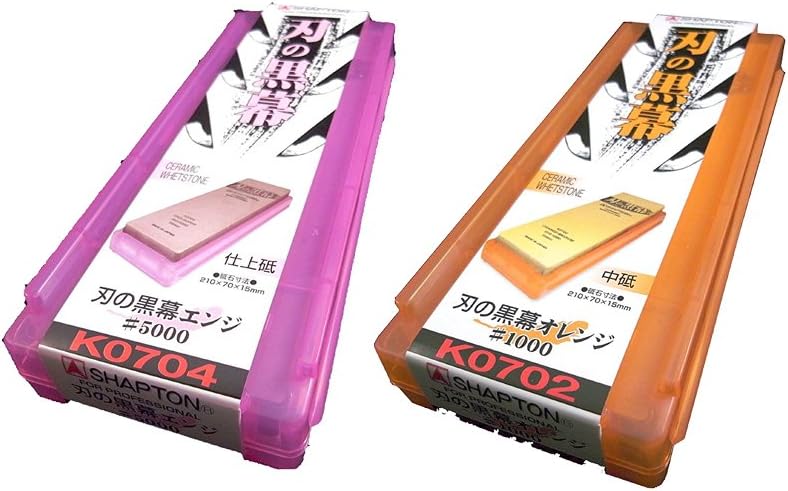
SHAPTON Ha No Kuromaku Ceramic Whetstone (A-set) Medium Grit (#1000) + Fine Grit (#5000)
Whetstone Grit Type: Medium Grit(#1000) and Fine Grit(#5000) . Product Dimensions: 8.31"L x 0.59"W x 2.8"H
Visit on Amazon →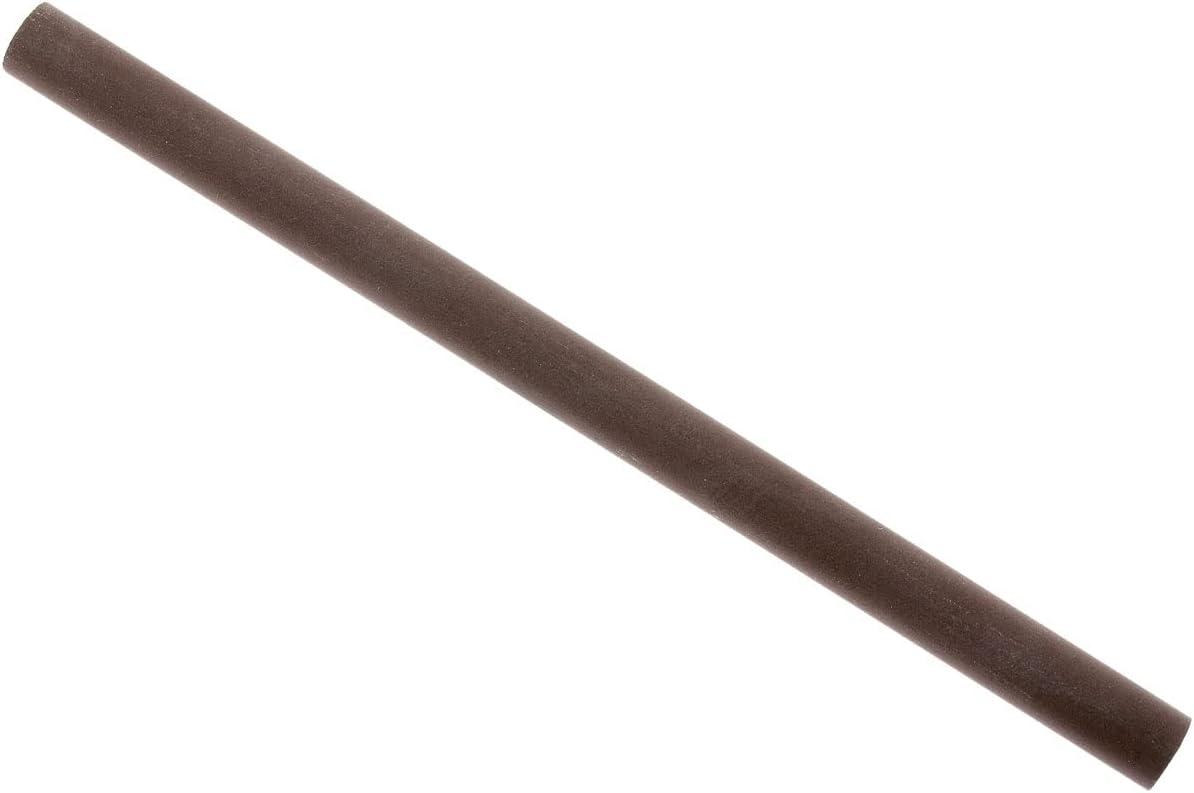
"Lansky Sharpeners Medium Grit Replacement Rod 5"" Turn Box Series Medium, Multicolor, LR5MD", one size
Lansky Sharpeners LR5MD Medium Grit Replacement Rod 5" Turn Box Series Medium
Visit on Amazon →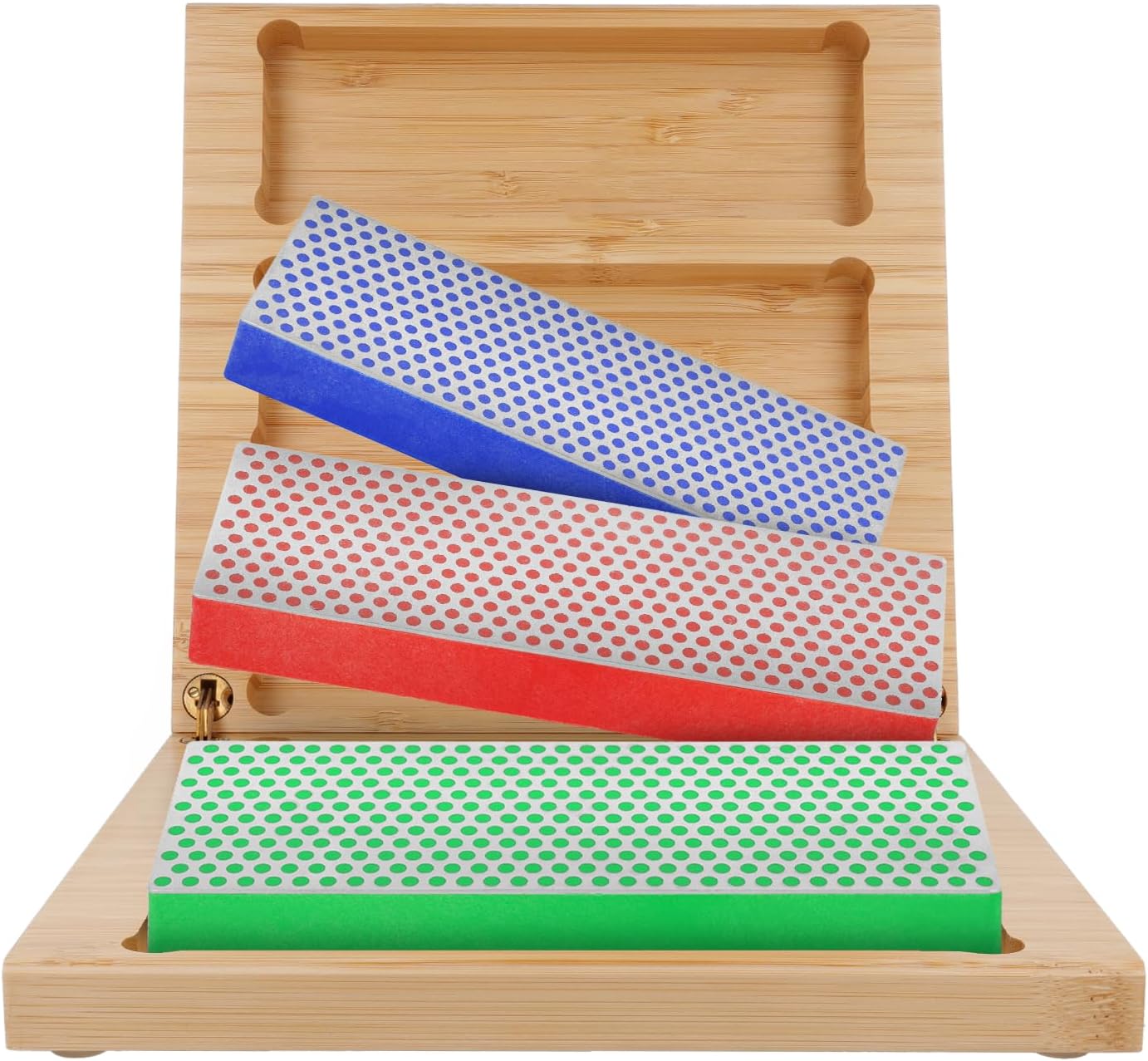
DMT Deluxe Diamond Professional Knife Sharpening Kit - Includes Set of 3 Diamond Whetstone Blocks for Kitchen Knives, Lawn Mower Blades, Hunting/Butchery Tools, and More - Comes in Natural Wood Box
Product Description Experience superior edge care with the DMT diamond sharpening stone set, a must-have for both professional and home use. This knife sharpening kit is housed in a beautiful wood box
Visit on Amazon →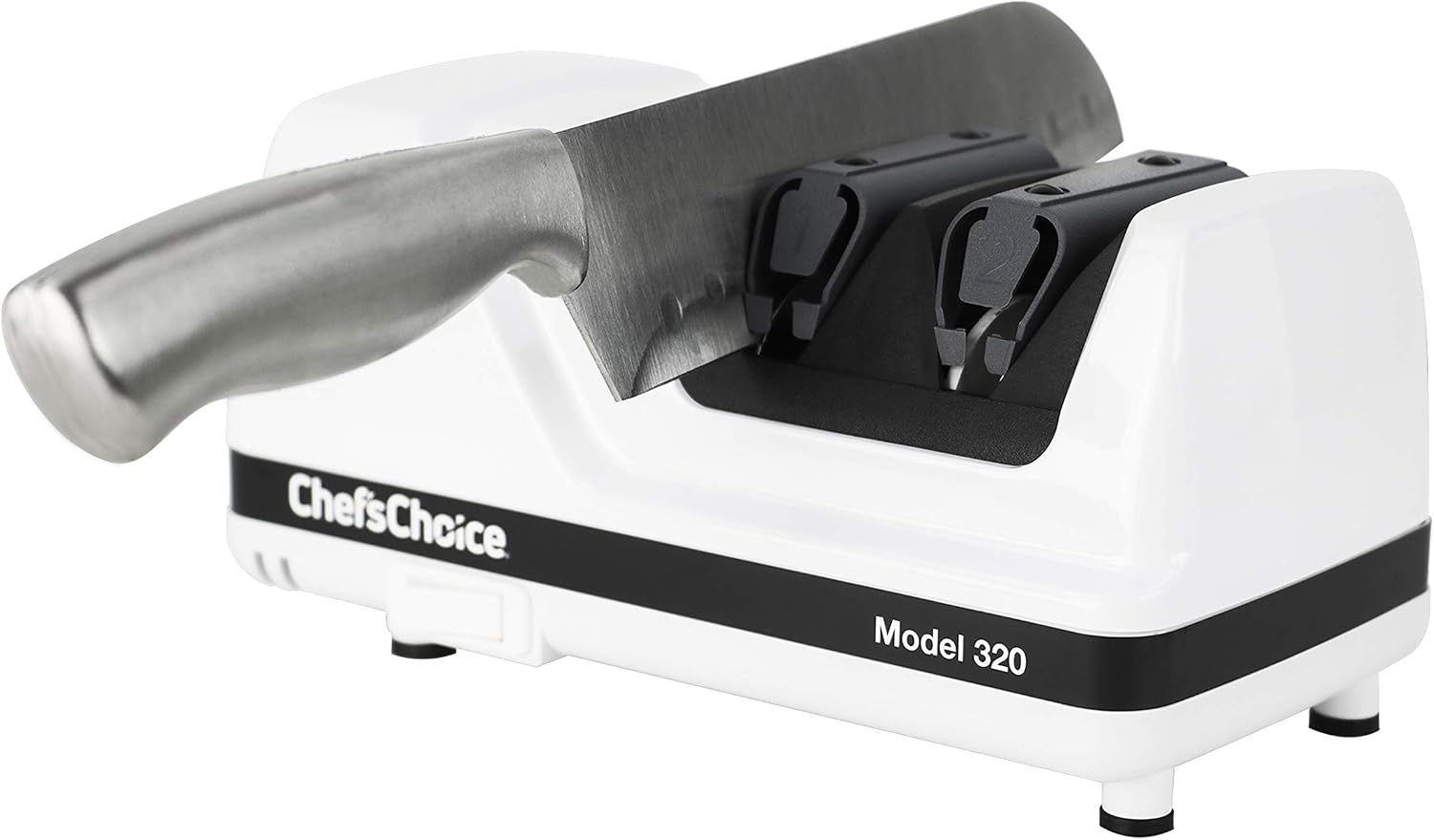
Chef'sChoice Professional Electric Knife Sharpeners FlexHone/Strop With 100-Percent Diamond Abrasives And Precision Angle Guides For 20-Degree Straight-Edge and Serrated Knives, 2-Stage, White
Product Description The latest knife sharpening breakthrough from Chef'sChoice! This new lightning-fast compact professional electric knife sharpener for kitchen knives uses completely n
Visit on Amazon →
4 Pcs Metal Magnetic Strips for Wall Adhesive Backing Memo Strip Black Bulletin Board with 10 Pcs Magnets for Home Office (26 x 300 mm)
Stores knives without grinding the edge against a drawer. Six dollars.
Visit on Amazon →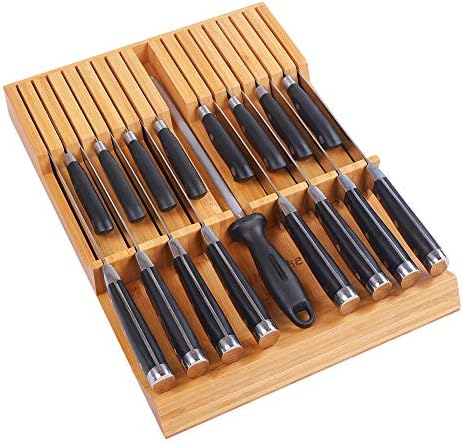
Utoplike In-drawer Knife Block Bamboo Kitchen Knives Drawer Organizer Large
Keeps blades separated and accessible on the counter. Looks decent too.
Visit on Amazon →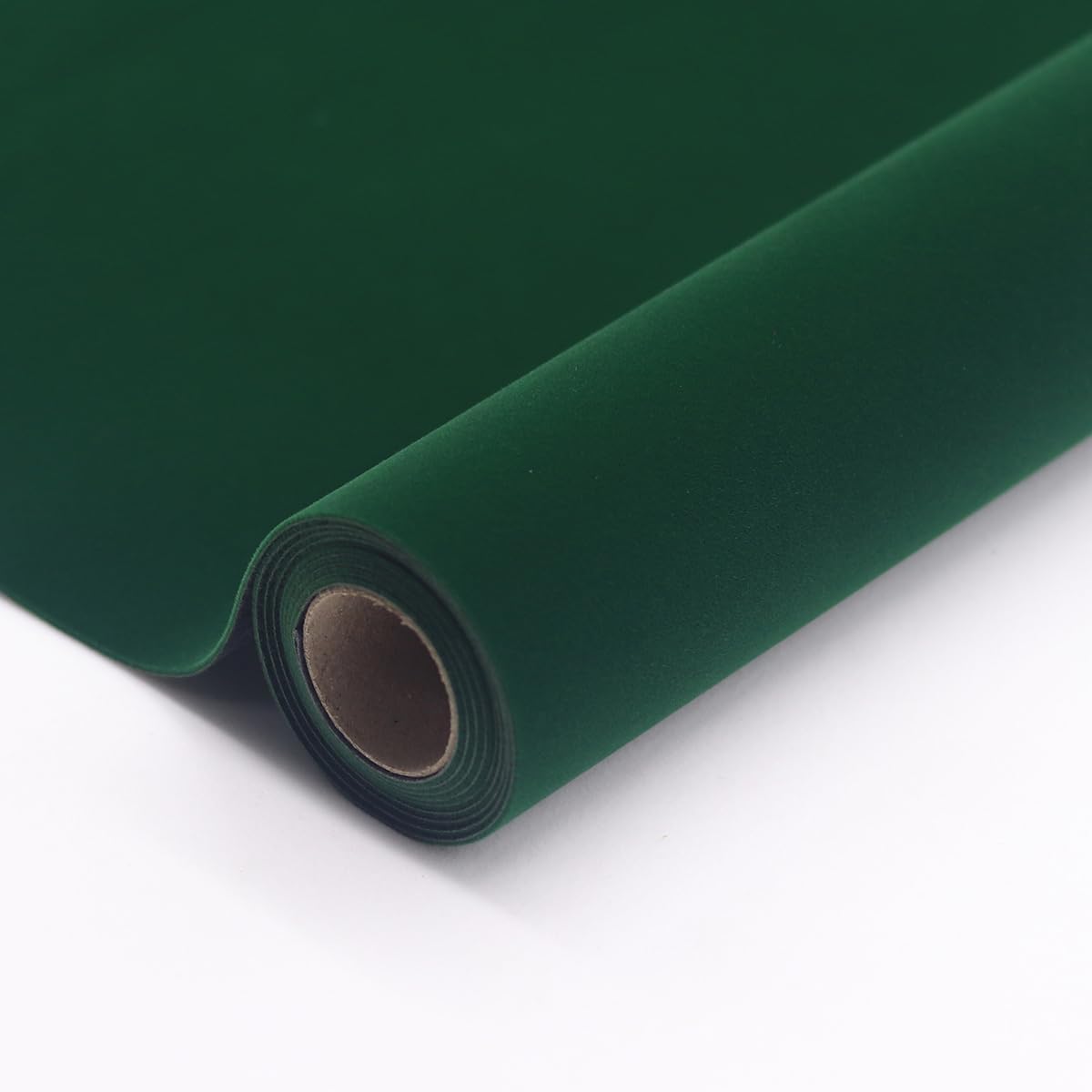
Green Large Size Self Adhesive Soft Velvet Drawer Liner DIY Fabric Felt Liner for Drawers Jewelry Box Felt Lining Art & Crafts Display Cabinet Shelf Covering 24x117 Inches
Cheap protection for blades stored in a drawer. Better than bare wood or metal.
Visit on Amazon →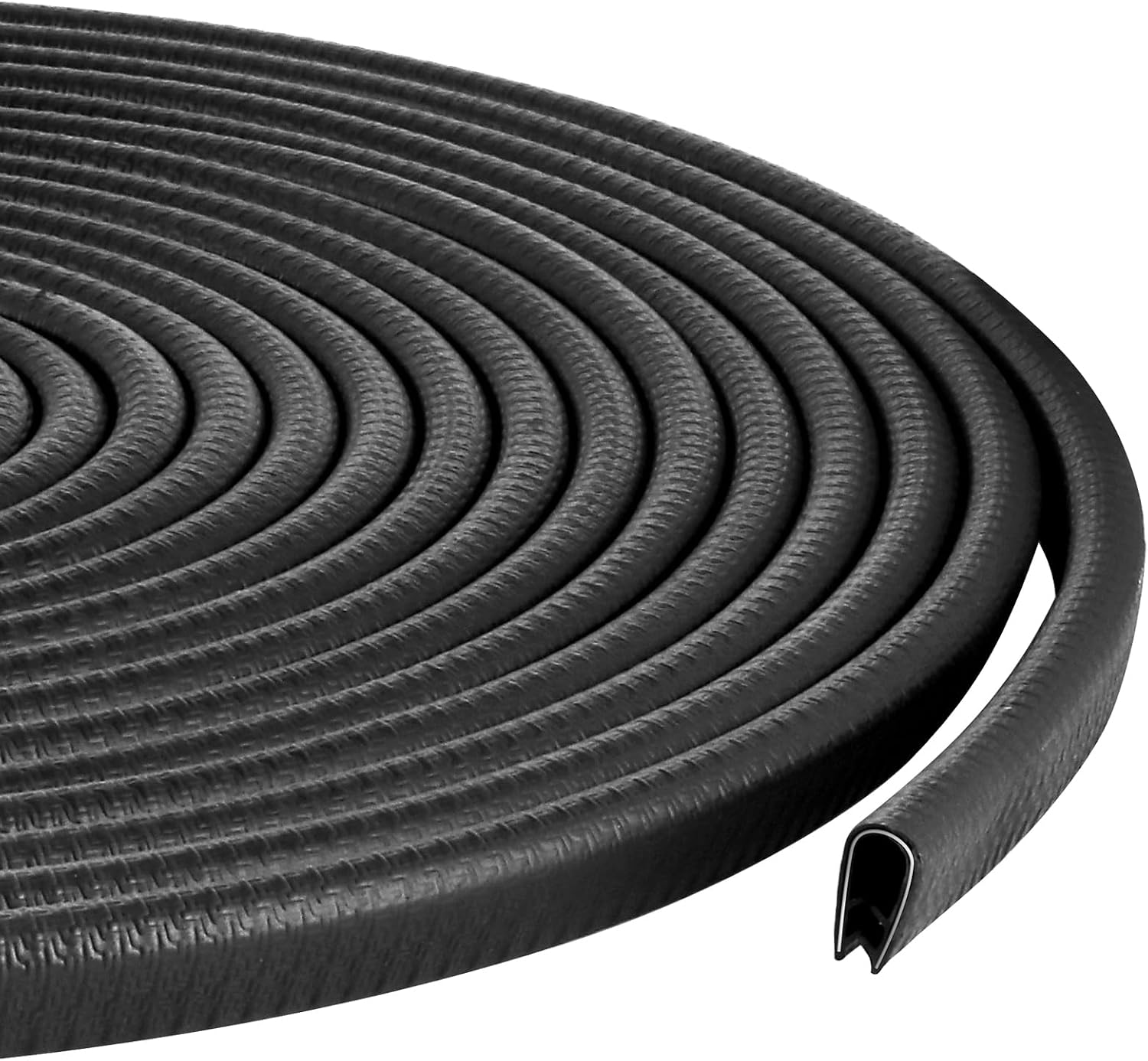
Rubber Edge Trim Guard 32.8ft/10m, Adhesive Free Door Edge Protector, U Shape Edge Seal Strip with Embedded Metal Clips Fits 3/64" to 1/4" Thick Edges (Black)
Product Description The latest knife sharpening breakthrough from Chef'sChoice! This new lightning-fast compact professional electric knife sharpener for kitchen knives uses completely n
Visit on Amazon →The Three-Cut Test I Run Every Morning
A knife that can't pass these three cuts is dull, full stop. Sharpen it before you use it.
- The paper towel fold. Take a single sheet of paper towel, fold it once, and slice. A sharp knife drops through with no resistance. A dull knife drags, tears, or pushes the towel across the counter.
- The tomato skin. A ripe tomato with the skin on. A sharp knife bites the skin without pressing down. A dull knife smashes the skin and tears the flesh. If you're bracing the tomato with your other hand, the blade isn't sharp enough.
- The single sheet of newspaper. One sheet, hanging off the counter. A sharp knife shaves it. A dull knife wrinkles it, catches, or won't bite at all.
If a knife can't handle all three without dragging, it gets honed. If it still can't, it gets sharpened. If it still can't after that, it gets replaced. That's the test. It's the one I learned from Cook's Illustrated's original knife testing methodology, and it's the one I've used for sixteen years across fine dining, butcher shops, and prep kitchens.
The reason this matters: a dull knife is more dangerous than a sharp one. When you press harder to compensate for a bad edge, the blade slips off the food and into your finger. A razor-sharp blade that cuts clean is safer than a dull one that requires force. I've watched line cooks lose half a fingertip because they refused to stop and sharpen.
How To Hone vs. How To Sharpen
Honing realigns the edge. Sharpening removes metal. You need both, and they are not the same thing.
Honing is daily maintenance. You run the blade along a honing rod at the same angle as the edge, and the microscopic teeth stand back up. It doesn't create a new edge, it straightens the one you have. Soft steel, the kind in most German knives, needs honing every 10–15 diced onions.
Sharpening is what happens when honing isn't enough. You remove metal with an abrasive to create a fresh edge. Whetstones, diamond plates, and pull-through systems all do this. A 1,000-grit stone and ten minutes a week will change your kitchen more than any new knife purchase.
I've heard every excuse: "I don't have time," "I don't know how," "I'll just buy new ones." Here's the truth: the edge is everything.
I've heard every excuse: "I don't have time," "I don't know how," "I'll just buy new ones." Here's the truth: a 1,000-grit stone and ten minutes a week will change your kitchen more than any new knife purchase.
King 1000/6000 Combination Whetstone
At ~$16.99, this is the stone I recommend to everyone who asks. The 1,000-grit side handles 90% of home kitchen sharpening. The 6,000-grit side is a polish you probably won't need until you've been sharpening for a year.
I've owned three of these over twelve years. The first one is still in rotation at my butcher shop, sitting next to the commercial pull-through sharpener that nobody uses. The King is slower than a Shapton or a DMT diamond plate, but speed isn't what you're buying.
You're buying forgiveness. The abrasive breaks down evenly, which means a bad angle on your part doesn't destroy the edge.
You just try again.
Pros:
- No nonsense. Soak it for ten minutes, sharpen, rinse, set it on its holder.
- Cheap enough that if it cracks, you replace it without ceremony.
- The 1,000-grit edge is sharp enough for everything from tomato skin to breaking down a chicken.
Cons:
- Takes ten minutes a week, and most people won't commit to that.
- Slower than premium stones. A Shapton cuts twice as fast.
Shapton Kuromaku 1000
The ~$126.99 price tag makes people hesitate. I get it. But the Shapton cuts faster, leaves a cleaner scratch pattern, and the glass substrate feels like cheating. You don't soak it. You splash water on the surface and start. The edge comes off the stone sharper than what you put in.
I bought one for the butcher shop two years ago after wearing through a King in six months. The Shapton is still going strong. If you're sharpening every day or cutting through abrasive materials like squash and root vegetables, the speed difference matters. For most home cooks? The King will do the same job at a fifth of the price.
Lansky Turn Box
Controlled-angle sharpening. The Turn Box has carbide slots at preset angles, 17° and 20°, that guide your blade. If you've ever tried to hold a consistent angle on a whetstone and failed, the Turn Box solves that problem.
At ~$23.99, it's cheaper than a decent rod. But the carbide slots chew metal faster than they refine an edge. Use it for repair work, not for your daily maintenance. I've seen blades come off the Turn Box with a ragged, saw-toothed edge that tears tomatoes instead of slicing them.
DMT Diamond Whetstone
Diamond abrasive cuts through anything, including the hardest powdered steels. If you're sharpening a Japanese gyuto at 63+ HRC, the DMT is the only whetstone that won't take you twenty minutes per side. At ~$230.62, it's overkill for German steel. You pay for capability you won't use.
I own one. I use it when a customer's knife arrives with edge damage I can't fix on a standard stone. For weekly home sharpening of a Wüsthof or Henckels? You're buying a tool for a problem you don't have.
Chef'sChoice 320 Diamond Hone
Electric, fast, and idiot-proof. Pull the blade through three times and you're done. For ~$114.99, you get convenience that a whetstone can't match.
The problem: it strips more metal than a whetstone. Your blade will be thinner in six months. I've watched owners use these religiously and then bring me a knife with a geometry that's been ground halfway to the spine. Electric sharpeners are fine for quick touch-ups. They're not fine as your only sharpening method.
Edge Guards
At ~$18.99, these are cheap protection for blades in a drawer. They snap over the edge and keep the knife from grinding against other utensils. I've owned a set for five years. The plastic eventually cracks at the hinge, but that's after daily use.
The trick: match the guard to the blade length. I've seen owners cram a 10-inch chef's knife into an 8-inch guard and wonder why the edge touches the inside. Check the fit before you trust them with a $300 gyuto.
Magnetic Wall Strip
Six dollars. Holds knives on the wall without grinding the edge against a drawer. I've installed two of these in kitchen remodels over the years, and they're the best storage option if your counter space is limited.
The catch: you need a wall stud, and you need to stick the strip on a flat, clean surface. I mounted one over a tile backsplash once, and the adhesive failed after four months. Use screws if you can.
Bamboo Knife Tray
Counter storage for blades you reach for daily. At ~$34.95, it's not cheap, but bamboo looks better than a plastic block. The slots keep knives separated so they don't knock against each other.
The problem: bamboo absorbs moisture. If you put a wet knife in the tray, the wood swells, and you'll see black spots within a week. Dry your blades before you set them down. This is true for every knife storage method, but especially for bamboo.
Felt Drawer Liner
At ~$14.99, cheap protection for knives you store in a drawer. Better than bare wood or metal, which will dull the edge every time you open and close the drawer.
The felt pills after a year. You'll replace it eventually. But for the first twelve months, it's the cheapest insurance against a chipped tip or a rolled edge you'll find.
How To Tell If Your Knife Is Beyond Saving
Some dullness is fixable. Some isn't. Here's the line.
A knife is beyond saving when:
- The edge has chips you can feel with your thumbnail.
- The blade has been ground so thin from electric sharpeners that the edge flexes when you cut.
- The steel is rusted through, not just surface-spotted.
A knife just needs sharpening when:
- It drags on a tomato but doesn't crush it.
- The newspaper test wrinkles instead of shaving.
- You find yourself pressing harder than you used to.
I've owned knives in both categories. The chipped ones got reshaped on a 400-grit stone before moving to 1,000 and 6,000. The thinned ones got re-profiled with a micro-bevel to restore strength. The rusted ones got tossed. I won't keep a blade I can't trust.
Should You Buy A Sharpening Stone?
Yes. Buy the King 1000/6000 if you sharpen once a week. Buy the Shapton 1000 if you sharpen every day. Skip everything else until you've used a stone for six months.
The first time you pull a razor-sharp edge off a whetstone, you'll laugh out loud alone in the kitchen. That's the tomato moment, and it's worth every penny of whatever stone you buy. The learning curve is steep for the first two weeks. After that, it's muscle memory. I've taught four line cooks to sharpen on a King, and every one of them stopped buying replacement knives within a month.
If you refuse to learn to sharpen, buy the Chef'sChoice and accept that you'll replace your knives every two years. That's the cost of convenience. At $114.99 for the sharpener and $200 for a decent chef's knife, your per-year cost is $157. A properly maintained Wüsthof lasts twenty years. Do the math.
What I'm Testing Next
I'm tracking handle-cracking reports on mid-tier forged sets and comparing the 1,000-grit scratch patterns on the King vs. the Shapton after 50 sharpening cycles. The Shapton is supposed to last longer, but the King is a fifth of the price, so the real question is cost-per-edge, not longevity. I'll have numbers in March.